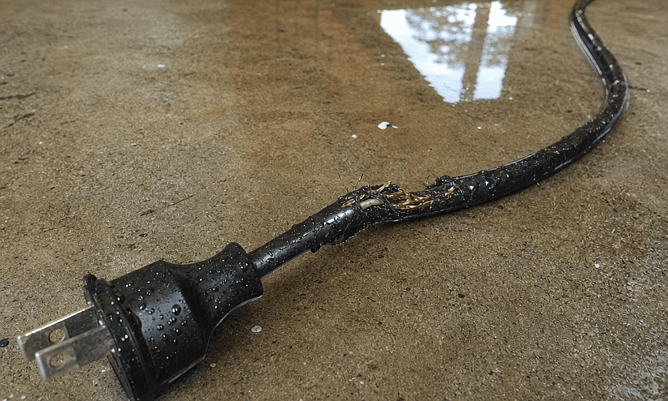
Garages, sheds, and outdoor areas work hard in winter—often while being cold, damp, and poorly ventilated. Add in power tools, freezers, chargers, extension leads, and the occasional heater, and you’ve got the perfect environment for electrical problems to show up. The key risk is simple: moisture speeds up corrosion and increases the chance of faults at plugs, sockets, and connections.
Why winter damp makes garages and sheds higher risk
Moisture doesn’t need to be a puddle to cause issues. Condensation can form on metal surfaces and inside fittings, and over time it can contribute to corrosion and poor electrical contact. That can lead to nuisance tripping, intermittent faults, or (in worst cases) overheating at a plug or outlet.
Condensation on cold mornings (especially in unlined garages and sheds)
Damp concrete floors and wet footwear bringing moisture inside
Rain blowing in under doors or through gaps
Outdoor leads and connections left exposed to weather
Quick winter check (visual-only): garages and sheds
Look at outlets and switches: cracks, looseness, discolouration, or scorch marks are “stop and check” signs.
Check cords and plug tops: no cuts, flattened sections, or taped repairs—especially on tool leads and freezer cords.
Keep connections off the floor: avoid leaving plugs and joins sitting on damp concrete.
Watch for repeat tripping: if power trips when you start a tool or a heater, treat it as a fault indicator (not an annoyance).
Don’t run heaters or high-load tools from multi-boards: plug directly into a fixed wall outlet where possible.
Outdoor socket safety reminders (especially in winter)
Outdoor outlets should be suitable for the environment and protected appropriately—because rain, surface water, and condensation increase shock risk. If you’re regularly plugging in outdoor gear (tools, pumps, pressure washers, garden equipment), it’s worth making sure the setup is fit for purpose.
Use weather-rated outlets and covers: outdoor sockets should be designed to keep moisture out.
RCD protection matters outdoors: outdoor circuits typically require RCD protection as part of safe installation practice.
Avoid wet connections: keep plug joins out of puddles and off wet grass/concrete.
Don’t use damaged leads: winter moisture makes small cuts or splits much riskier.
When it’s time to upgrade or weatherproof
Consider an electrical check or upgrade if any of these apply:
Your outdoor socket is cracked, loose, discoloured, or has a cover that doesn’t close properly
You rely on extension leads as a “permanent” solution outdoors or in the shed
You’re using the space differently now (workshop setup, extra appliances, freezer, EV charging, spa/pool gear)
You get repeat tripping when tools or outdoor appliances run
You’ve had any burning smells, buzzing, or heat at plugs/outlets (treat as urgent)
Want to winter-proof your garage, shed, or outdoor power? Harkness Electrical can check outlet condition and protection, tidy up unsafe lead setups, and install weatherproof solutions that suit how you actually use the space—so winter damp doesn’t turn into electrical trouble.