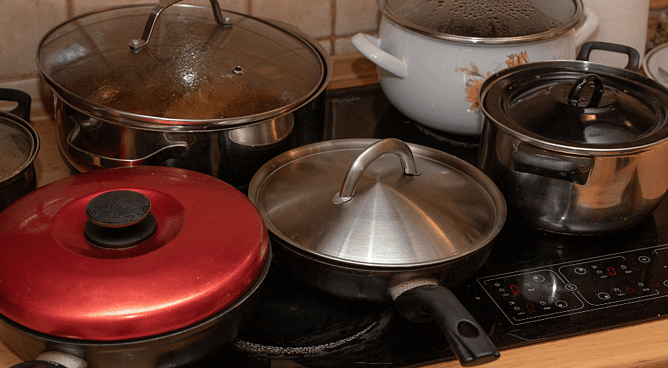
If your kitchen trips power more often in winter, you’re not imagining it. Winter changes how we use the kitchen: more hot drinks, more cooking, and more appliances running at the same time—sometimes with a heater or dehumidifier nearby as well. When several high-load appliances overlap, circuit protection can trip to prevent overheating and keep things safe.
Why winter pushes kitchen circuits harder
Many everyday kitchen items are “high-load” appliances. On their own they’re usually fine—but when they stack up together, demand can exceed what a circuit is designed to carry, particularly in older homes or kitchens that haven’t been upgraded for modern appliance use.
Kettle + toaster at breakfast time
Microwave + jug/kettle running together
Dishwasher + oven during dinner prep
Air fryer + kettle (common winter combo)
Kitchen appliances + a portable heater on the same general area/circuit
What a tripping circuit is telling you
Tripping is a protection response. Sometimes it’s a simple overload (too many appliances at once). Other times it can point to a developing problem—especially if it trips with the same appliance every time, or if it starts happening more often than it used to.
Stop and get it checked if you notice any of these along with (or instead of) tripping:
A burning or “hot plastic” smell near outlets or the switchboard
Buzzing or crackling from a socket or switch
Warm outlets/switches (even when appliances aren’t running)
Discolouration or scorch marks around a power point
Tripping that happens with one specific appliance (possible appliance fault)
When adding outlets or circuits makes sense
If winter routines consistently push your kitchen to its limit, the safest long-term fix is usually improving the fixed installation rather than constantly juggling appliances. That might mean adding outlets where you actually use them, separating high-load items across circuits, or upgrading protection—particularly in older homes where the kitchen has evolved but the wiring hasn’t.
You’re regularly “timing” the kettle, toaster, microwave, or air fryer so the power doesn’t trip
You rely on multiboxs because there aren’t enough kitchen outlets
Trips are becoming more frequent each winter
You’re adding new appliances (air fryer, coffee machine, second fridge/freezer)
Your kitchen is part of an older home with an older switchboard/circuits
Need your kitchen power to keep up with winter? Harkness Electrical can investigate recurring tripping, check for overload or fault indicators, and recommend practical upgrades—like extra outlets or additional circuits—so your kitchen is safer and more reliable when demand is highest.