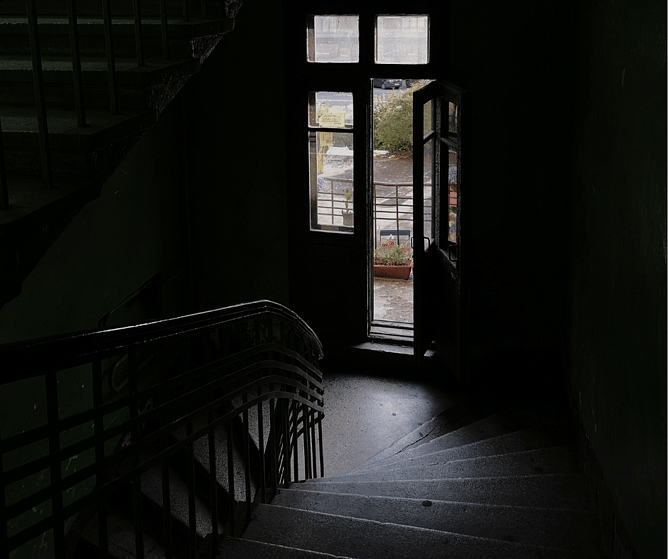
In winter, it’s not just the weather that changes—it’s visibility. Dark mornings, dark afternoons, and lights being switched on more often can turn stairs, hallways and entries into the most common “trip zones” in the house. The good news is that you don’t need a full renovation to make a big difference. A few targeted lighting upgrades can improve safety straight away and make the home feel more comfortable to move around at night.
Start with the areas where trips and falls happen most
If you’re prioritising spend, focus on “feet first” locations—places people walk when they’re tired, carrying things, or moving quickly:
Stairs: top and bottom landings, and any stairs with dark tread edges
Hallways: especially long, narrow halls with no natural light
Entries and porch areas: where keys, steps, and wet shoes are involved
Night-time routes: bedrooms to bathroom/toilet (common 2am stumble pathway)
Sensors and night lighting: the “no hands, no fuss” safety win
Sensor lighting is one of the best winter upgrades because it removes the two things that cause most night-time stumbles: fumbling for switches and walking into a dark zone “just for a second.” The aim is gentle, automatic light exactly where you step.
Hallway sensors: lights come on when you enter the space (great for kids and older family members)
Stair lighting: lighting that makes tread edges visible without dazzling you
Entry sensors: safer unlocking and stepping inside when it’s wet and dark
Night lights: low-level guidance lighting for bedrooms-to-bathroom routes
LED upgrades: brighter where it matters (without a big power bill)
In winter, lights are on longer—so upgrading key fittings to good-quality LEDs can lift visibility without blowing out running costs. A simple approach: use warm light in relaxing spaces, and neutral-to-brighter light in task and walkway areas like kitchens, halls and stairs.
Stop and get it checked if your lighting is doing any of the following—these can be signs of a developing issue rather than “just an annoying light”:
Flickering or dimming that’s getting worse over time
Buzzing from a switch, fitting, or dimmer
Heat at a switch plate or light fitting
Burning smells (treat as urgent)
Tripping when certain lights are turned on (fault indicator)
Want safer winter lighting at home? Harkness Electrical can recommend the best areas to prioritise (stairs, halls, entries), install sensor options, and upgrade lighting so your home is easier—and safer—to move through on dark winter mornings and nights.