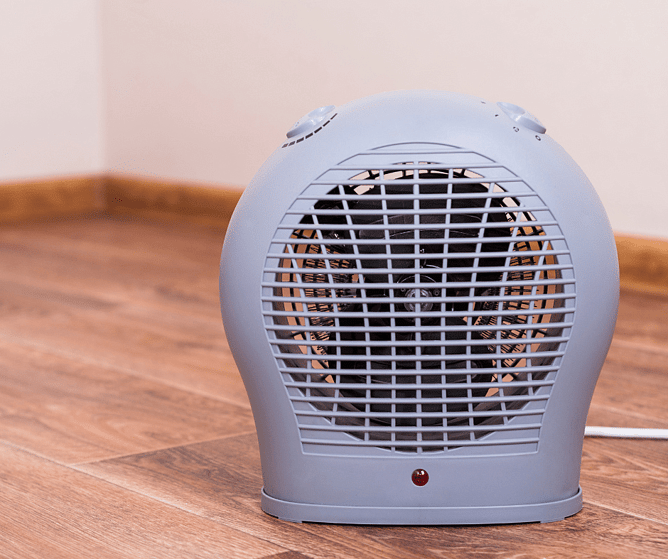
When the temperature drops, portable heaters become a winter staple in many homes. They’re great for quick warmth—but they’re also one of the most common causes of winter electrical call-outs and house fires. The good news: most heater incidents are preventable with a few simple setup rules.
The simple rules that keep heaters safe
Give it space. Keep heaters well clear of curtains, bedding, clothes racks, furniture, kids’ toys and anything that can melt or catch fire. Treat the area around a heater as a clear “no storage” zone.
Place it on a stable, flat surface. Avoid wobbly stools, uneven floors, or places where it can be knocked—especially in hallways and bedrooms.
Plug heaters directly into a wall outlet. Avoid extension leads, double adaptors and multi-boards with heaters. Portable heaters draw a lot of power and can easily overheat cords and multiboxs.
Use one high-power appliance per outlet. If the same outlet is also running a kettle, toaster, dryer, or another heater, you increase the chance of overheating or tripping.
Check the cord before you use it. If the lead is damaged, crushed under furniture, or feels warm during use—stop using the heater.
Don’t run heater cords under rugs. Heat can build up and damage the insulation without you noticing.
Turn it off when you leave the room. Especially for bedrooms, kids’ rooms, and anywhere pets can bump it.
Why heaters and multiboxs are a risky combo
Heaters are “high-load” appliances—meaning they pull a lot of electricity for long periods. Many multiboxs and extension leads aren’t designed to carry that load continuously, especially if other devices are plugged in too. That’s when plugs, sockets and cords can overheat, melt, or start to smell “hot.”
If something smells hot, crackles, or keeps tripping
Turn the heater off and unplug it. If it’s safe to do so, unplug the heater at the wall.
Stop using that outlet or multibox. Don’t “try again” in the same socket if you
noticed heat, discolouration, buzzing, or a burning smell.Move the heater to a different wall outlet (not a multibox) only if the heater itself appears undamaged and there were no signs of melting or scorching.
If the circuit keeps tripping, leave it off and get it checked. Repeated tripping is a warning sign, not an inconvenience.
If you see smoke, sparks, or visible melting, treat it as urgent. Keep people away and call emergency services if there’s any fire risk.
When to call a licensed electrician
Get professional help if you notice any of the following:
Burning smells, buzzing, or crackling from a socket, plug, or switch
Discolouration, scorch marks, or softened/melted plastic around an outlet
Multiboxs or extension leads that feel warm to the touch during normal use
Circuits that trip when the heater turns on (or trip repeatedly)
Older homes where winter heating relies heavily on portable heaters
Quick portable-heater safety checklist
Heater is on a stable surface with a clear space around it
Plugged directly into a wall outlet (no multi-board or extension lead)
Cord is in good condition and not pinched, covered, or under a mat
No laundry, bedding, curtains, or furniture within easy reach of the heater
Turned off when you leave the room or go to sleep
Need peace of mind this winter? If you’re relying on portable heaters to get through the cold months, it can be worth checking that your outlets, circuits and switchboard protection are up to the job. Harkness Electrical can help you reduce the risk of overloads and keep your home warm—safely.